


Lighthouses Of England And Wales
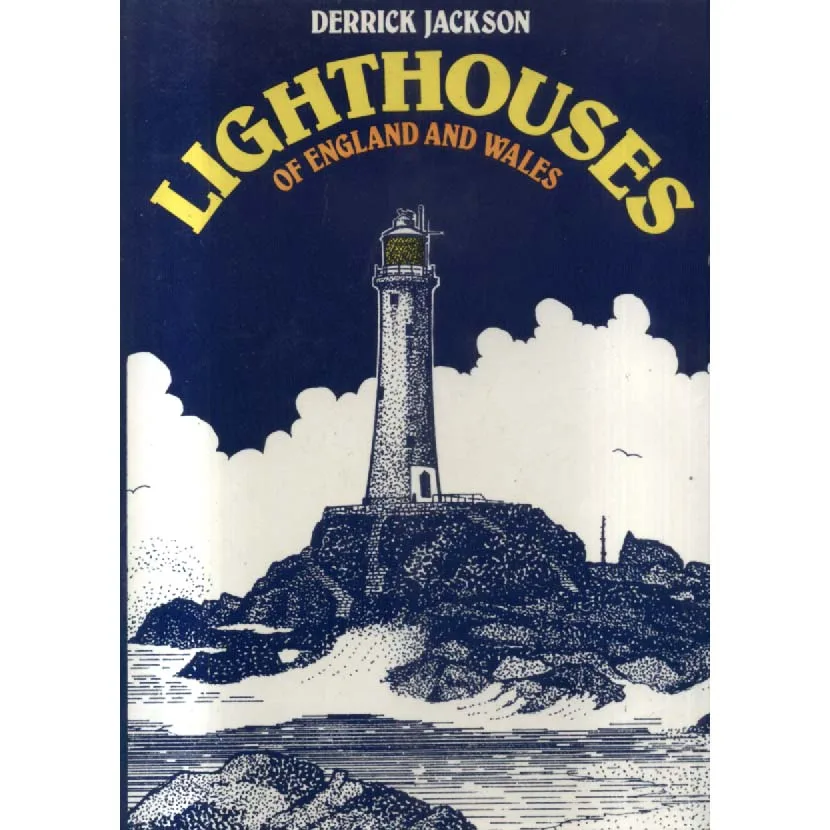
Publisher: David and Charles
Format: Hardback
ISBN: 0715369024
Lighthouses of England and Wales (1975) – Derrick Jackson
David & Charles | ISBN: 0715369024
Condition: Good | Sold by Crappy Old Books
Lighthouses. Those magnificent monuments to humanity’s determination not to sail directly into large pieces of rock, particularly in the middle of the night when the weather is dreadful and the captain has already begun questioning his career choices. Perched upon windswept cliffs, isolated reefs and spectacularly inconvenient stretches of coastline, they have spent centuries warning mariners that the land ahead is considerably closer than anyone aboard the ship would ideally prefer.
Welcome to Lighthouses of England and Wales, Derrick Jackson’s exploration of the remarkable coastal sentinels that have guided generations of sailors safely through some of Britain’s most treacherous waters.
England and Wales possess an extraordinary variety of lighthouses, from elegant towers overlooking peaceful seaside towns to formidable structures standing defiantly upon rocks that disappear beneath enormous waves whenever the weather becomes sufficiently enthusiastic.
Their purpose is beautifully straightforward: provide a reliable warning before an approaching vessel discovers the coastline through the traditional but regrettably expensive method of colliding with it.
Achieving this, however, demanded considerable ingenuity. Lighthouse engineers had to overcome difficult terrain, unpredictable seas and the extraordinary challenge of constructing permanent buildings in locations where even standing upright could become a serious undertaking.
Then there were the keepers, those hardy individuals whose professional responsibilities included maintaining powerful lamps, polishing optical equipment, monitoring weather conditions and generally ensuring that the lighthouse continued functioning regardless of whether the Atlantic Ocean was attempting to remove it from its foundations.
It sounds wonderfully romantic. Solitude, spectacular views, the soothing sound of waves and an enviable absence of irritating neighbours.
Until the winter storms arrive.
Jackson’s subject offers a fascinating journey through the history, architecture and maritime significance of these distinctive structures, exploring the practical problems of coastal navigation and the technological developments that made increasingly effective warning lights possible.
The evolution of lighthouse illumination is a particularly remarkable story. From early fires and relatively primitive lamps to sophisticated optical systems employing powerful lenses, engineers continually improved the ability to project light across dangerous waters.
The great Fresnel lens, in particular, represented a triumph of optical engineering, concentrating light into beams visible over considerable distances without requiring somebody to construct an enormous bonfire on top of every headland.
Published in 1975 by David & Charles, a respected publisher of transport, industrial and regional history, this volume also belongs to an interesting period when many British lighthouses were still staffed, although automation was gradually transforming an occupation that had endured for generations.
For maritime enthusiasts, these older publications offer a valuable historical perspective on buildings and equipment that have sometimes been altered, modernised or retired from active service.
This 1975 David & Charles edition, offered in Good condition by Crappy Old Books, is an appealing acquisition for lighthouse enthusiasts, maritime historians, collectors of nautical literature and anyone fascinated by Britain’s remarkable coastal engineering heritage.
A charming exploration of the towers, lights and isolated outposts that helped generations of seafarers navigate the dangerous waters surrounding England and Wales.
And a reminder that while sailors may receive the glory for discovering distant lands, lighthouse keepers performed the equally important task of ensuring they didn’t accidentally rediscover Britain at thirty knots.
Preferably without taking half the coastline home with them.
Keep browsing: See more Non-Fiction books Other books by Derrick Jackson
